A year measured in oranges and tourists
In the Lowveld, the calendar is not January to December. It is picking season, then holiday season, then the long wait in between.
From about April, the citrus packhouses around Mbombela, White River and Hazyview run late into the night. Trucks loaded with oranges and grapefruit head for the port in Durban and Maputo. Then the Kruger season brings visitors through Kruger Mpumalanga International Airport and up the R40 to the lodges, guesthouses and curio stalls. Tips are good. Shifts are long.
Then it slows. Packhouses cut back. Guest rooms stand empty midweek. And the families who earned well in winter must make that money last until the next season.
Busisiwe's three jars
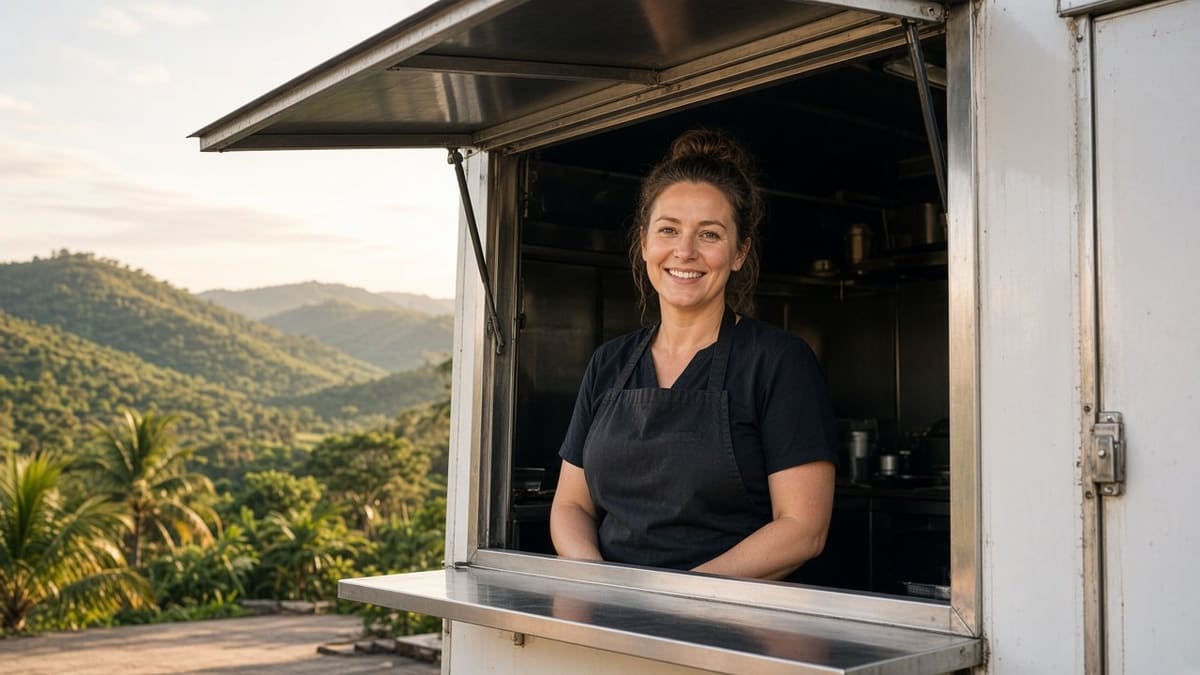
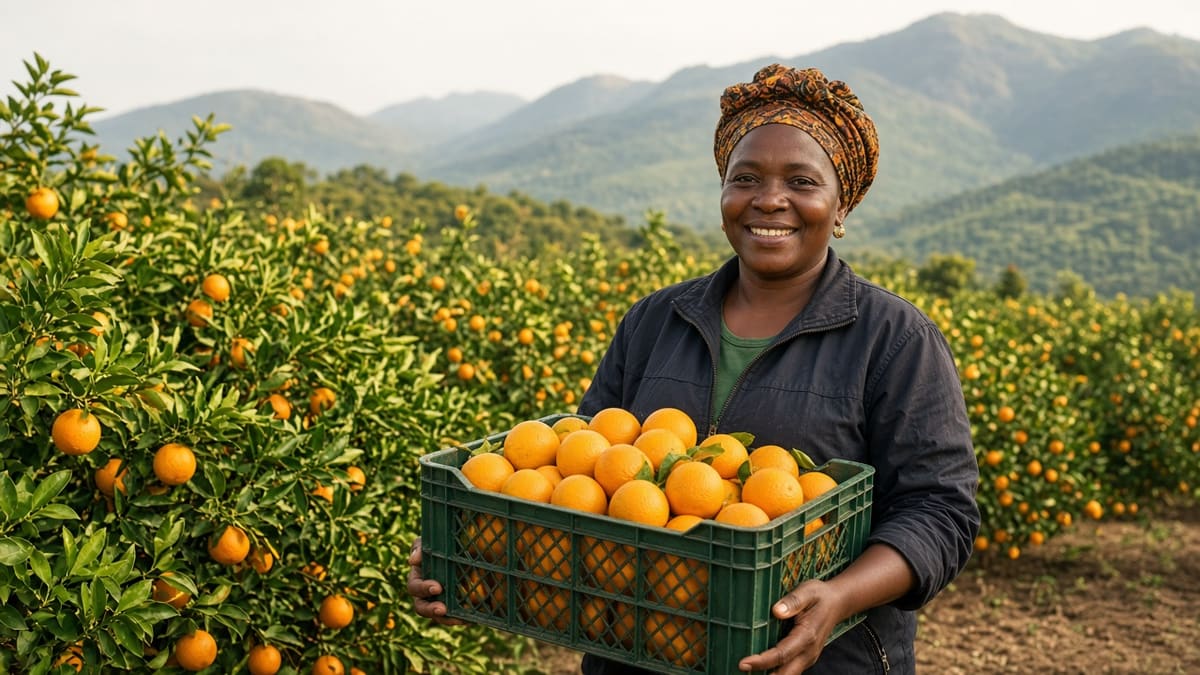
Busisiwe Nkosi supervises a picking team on a citrus farm outside Mbombela. In harvest she works ten-hour days and earns overtime. She also rents out a room in her home in KaNyamazane to tourists and contract workers.
"My grandmother kept three jars on the kitchen shelf," she says. "One for today, one for winter, one for one day. I still do it. The jars are just bank accounts now."
Editor's note: This is an illustrative composite story. The people in it are not real, and their words are not interviews or testimonials. All figures are an Illustrative sample.
The first jar pays for today: the treats and needs that make hard work worthwhile. The second jar carries the lean months, when shifts and bookings fall. The third jar is for the long run, for goals such as retirement or her daughter's studies.
Illustrative sample: In each of four harvest months, Busisiwe earns an extra R9 000. She puts R3 000 towards today, R4 000 towards the lean months and R2 000 towards the long run. Over the season, R8 000 goes to long-term saving.
Her fixed debit orders are sized to what the slowest month pays. The key is to divide the extra money while it is coming in. If it all flows into everyday spending, the off-season arrives with an empty second jar.
"In harvest we fill three jars: today, the lean months, and one day far from now."
Choosing a home for the third jar
A tax-free savings account (TFSA) is one long-term option. A retirement annuity serves a different purpose, with different access and tax rules. They are not interchangeable. RA contributions can be deducted up to 27.5% of income, capped at R430 000 a year, which helps most in high-earning years.
From 1 March 2026, you can put up to R46 000 a year into tax-free investments, up from R36 000. The lifetime limit stays at R500 000. SARS taxes any contribution above either limit at 40%. The limits apply across all your TFSAs combined, so keep a record if you save with more than one provider.
Busisiwe used the Saving & Investment Strategies view in MeerkatGenie to set a target and a time horizon for her third jar, and see what monthly amount it would take beside her lean-month reserve. Her harvest months carry most of the load. Her off-season months still add a little.
The Lowveld economy, in one family
Seasonal income is not only Busisiwe's story. It belongs to the packhouse workers, the game rangers, the guesthouse owners and the taxi drivers who move them all. In a good season, money flows through the whole town. In a lean one, everyone feels it at once.
That is why many Lowveld families think in years, not months. They know the off-season is coming. They just plan for it to arrive with the second jar full.
MeerkatGenie lists independent financial advisers and tax practitioners in Mpumalanga. Read TFSA or retirement annuity? How one East London radiographer decided where her next R100 000 goes and see the SARS tax-free investments page.
MeerkatGenie does not give financial advice and promises no outcome. For advice, speak to an independent professional listed in the MeerkatGenie directory.